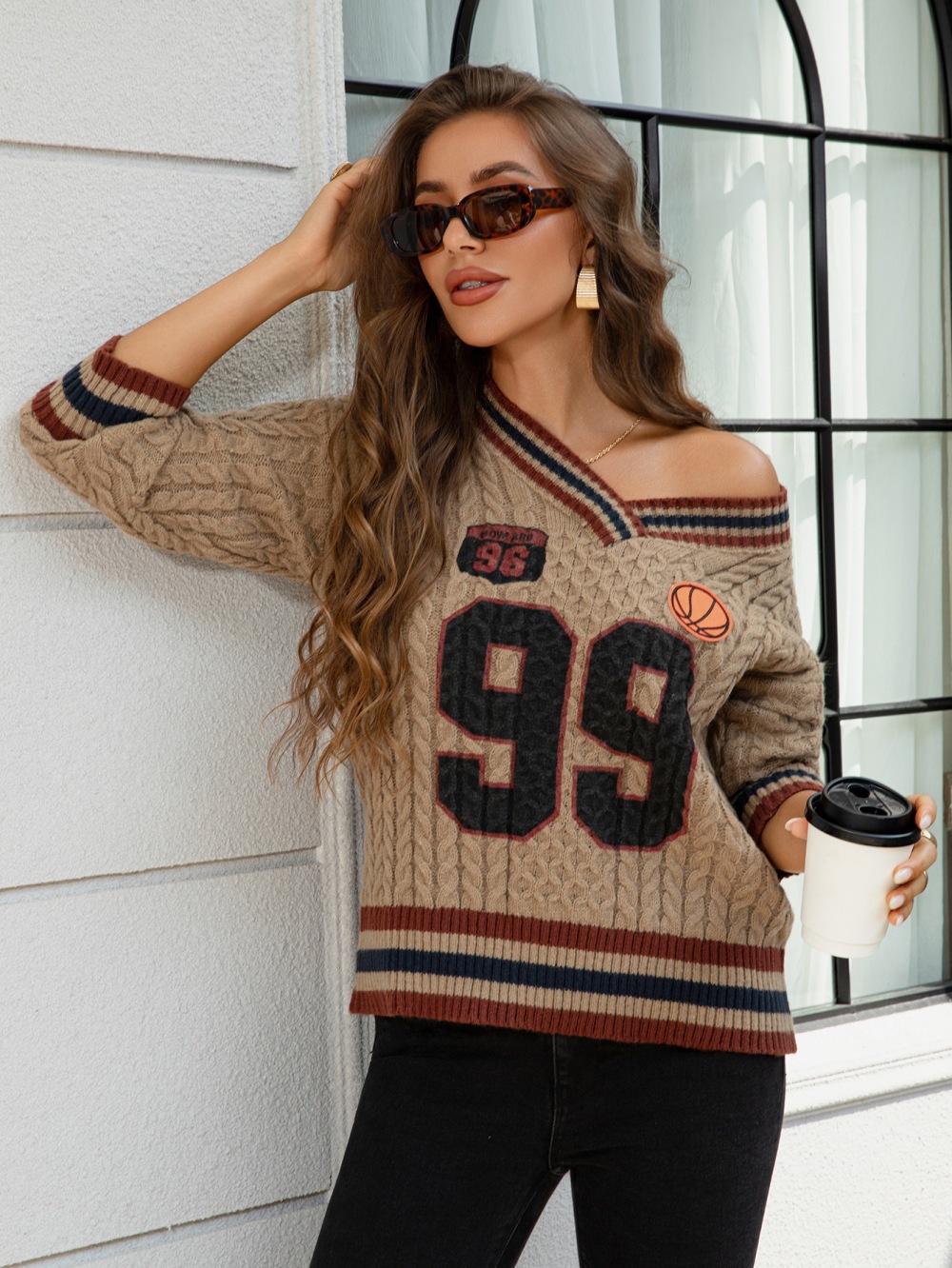
Hoodies and sweatshirts are reliable boutique categories because customers wear them for casual weekends, travel, school-season outfits, lounging, errands, and everyday layering. They can also work as part of athleisure and streetwear collections. For retailers buying wholesale hoodies and sweatshirts, the strongest assortment should balance comfort, practical fit, seasonal color, and fashion details.
Before buying wholesale hoodies, boutiques should understand how their customers use casual layers. Some shoppers want soft oversized styles for relaxed outfits, while others prefer fitted or cropped sweatshirts that work with high-waist jeans, skirts, leggings, and shorts.
A boutique with a sporty customer base may focus on zip-up hoodies, logo-inspired graphics, jogger sets, and fleece sweatshirts. A fashion-focused store may prefer cropped hoodies, washed finishes, colorblock designs, embroidered details, and statement prints. The collection should match the customer instead of following every trend at once.
Pullovers are easy everyday basics and can create steady repeat sales. Zip-up hoodies are useful for layering and can be worn open or closed over tanks, tees, bodysuits, and dresses. Oversized hoodies offer a relaxed streetwear look, while cropped hoodies pair well with high-waist jeans, cargo pants, skirts, and leggings.
Quarter-zip sweatshirts, funnel-neck styles, hooded knit tops, fleece-lined hoodies, and matching sweatshirt sets can add variety. A balanced buy should include simple everyday pieces as well as a few fashion-forward styles that make new arrivals feel fresh.
Fabric is one of the most important buying points for hoodies and sweatshirts. Lightweight jersey and French terry can work well for transitional weather. Fleece, brushed cotton blends, thicker jersey, and plush fabrics are more suitable for cooler months.
Customers usually expect sweatshirts to feel soft, comfortable, and durable. When reviewing wholesale products, check the inside texture, fabric weight, stretch recovery, seam quality, hood construction, cuff finishing, and waistband recovery. A soft fabric with stable shape will usually create a better wearing experience.
Oversized hoodies can create an easy casual look, but not every customer wants extra volume. Fitted sweatshirts, cropped styles, and regular-fit pullovers give shoppers more options and can work better for layering under jackets or coats.
Length is also important. Longer hoodies can be worn with leggings or biker shorts, while cropped styles work well with high-waist bottoms. Clear fit notes should explain whether the item is oversized, relaxed, cropped, or true to size.
Core colors should create the foundation of the collection. Black, white, grey, beige, brown, navy, olive, and cream are easy to coordinate and can sell across multiple seasons. These colors work especially well for hoodies, zip-ups, and everyday sweatshirts.
Seasonal colors can make fall new arrivals feel more current. Burgundy, rust, chocolate, forest green, mustard, dusty pink, and washed blue can bring a stronger autumn mood. Boutiques should buy deeper into proven neutrals and test bolder colors or prints in smaller quantities.
Graphic sweatshirts can attract attention, but the design should match the boutique’s customer. Minimal lettering, small embroidery, collegiate-inspired graphics, floral artwork, vintage washes, and tonal prints are often easier to style than very large or highly specific graphics.
Other details can also change the look of a basic sweatshirt. Check drawstring quality, metal tips, kangaroo pockets, zipper hardware, embroidery, appliqué, patchwork, contrast panels, and ribbed cuffs. A few well-chosen details can make the product feel more distinctive without making the assortment difficult to wear.
Hoodies sell better when shoppers can see how to style them. Pair oversized hoodies with leggings or straight-leg jeans, cropped sweatshirts with high-waist pants, zip-up hoodies with dresses or skirts, and graphic sweatshirts with denim and sneakers.
Online product descriptions should mention fabric feel, thickness, hood shape, pocket details, fit, length, stretch, and layering suggestions. Product photos should show the front, back, hood, cuffs, waistband, graphic details, and how the sweatshirt looks when styled as a complete outfit.
Early fall collections can focus on lightweight pullovers, French terry, zip-up hoodies, and transitional colors. As temperatures drop, boutiques can add fleece-lined sweatshirts, heavier hoodies, sherpa details, and warmer fabrics. This staged approach helps the store refresh its casualwear collection throughout the season.
Matching hoodie and jogger sets can support loungewear and athleisure demand. Separates are useful as well because customers can mix them with jeans, skirts, leggings, cargo pants, and jackets. Offering both sets and individual pieces creates more outfit combinations.
Hoodies and sweatshirts can create repeat purchases because customers often want more than one color, fit, or graphic. A shopper may buy a neutral pullover for everyday wear, a zip-up for travel, and a seasonal graphic sweatshirt for a casual outfit.
If a particular fit performs well, boutiques can reorder it in new colors or fabrics. This creates consistency for repeat customers while keeping the collection updated. It also reduces the risk of relying only on untested silhouettes.
The best wholesale hoodie and sweatshirt assortment combines comfort, softness, wearable colors, useful fits, and a few fashion-led details. Boutiques should avoid buying only oversized styles or only graphic pieces. A mix of basics, layers, sets, and seasonal updates will serve more customers.
When retailers plan hoodies around lifestyle, weather, fit, and outfit potential, the category becomes more than casual clothing. It becomes a dependable part of the boutique’s fall and winter assortment, with strong potential for repeat sales and easy add-on styling.
Hot Search: Wholesale Dresses Dear Fashion Wholesale Swimwear Sexy Club Dresses Wholesale Two Piece Sets
Wholesale Jumpsuits Wholesale Women's Plus Size Clothing Wholesale Womens Tops lovely wholesale 7 Plus Size Camouflage Dresses plus size sheer dress plus size leather lingerie plus size christmas lingerie plus size sequin romper plus size crotchless panties Wholesale Shorts wholesale denim jackets custom face swimsuit wholesale plus size clothing 4x 5x 6x green plus size lingerie army fatigue outfits wholesale loungewear bulk crop tops wholesale bodysuits custom one piece swimsuit wholesale gothic clothing plus size clothing 6x 7x wholesale plus size sexy black dress Black Leather Lingerie